



Wegovy has transformed weight management for many people. But it's not the only option available.
Whether you're exploring alternatives due to cost, availability, or personal preference, understanding your choices matters. The landscape of weight loss medications has expanded significantly in recent years.
This guide walks through seven critical factors to consider before choosing a Wegovy substitute.
1. Effectiveness Varies Significantly Among Alternatives
Not all weight loss medications produce identical results.
Different GLP-1 receptor agonists show varying levels of effectiveness:
Semaglutide-based options (like compounded semaglutide):
- May produce weight loss results similar to brand-name formulations
- Work through the same mechanism as Wegovy
- When prescribed by a licensed medical provider, and when clinically appropriate, can support weight management goals
Liraglutide (Saxenda):
- Requires daily injections
- Shows comparable effectiveness to semaglutide for weight reduction
- May have less impact on blood sugar control
Dulaglutide (Trulicity):
- Once-weekly administration
- Generally considered less effective for weight loss specifically
- Often prescribed primarily for diabetes management
Tirzepatide (learn more about tirzepatide):
- Dual GIP/GLP-1 receptor agonist
- May produce different results than single-mechanism medications
- When prescribed by a licensed medical provider, and when clinically appropriate, represents a newer approach to weight management

The medication that works best varies from person to person. Individual response depends on your unique biology, health status, and lifestyle factors.
2. Administration Methods Have Changed the Game
How you take your medication matters for consistency and comfort.
Injectable Options:
- Traditional subcutaneous injections
- Frequency varies by medication (daily to weekly)
- Pre-filled pens simplify the process
- Some people prefer less frequent dosing
Oral Alternatives:
- Newer oral semaglutide options now available
- Eliminate the need for injections entirely
- Require specific timing and administration instructions
- May appeal to those uncomfortable with needles
What to consider:
- Your comfort level with self-injection
- Your schedule and routine
- Storage requirements for each option
- Travel considerations
When prescribed by a licensed medical provider, and when clinically appropriate, both delivery methods can be effective. The best choice depends on your lifestyle and preferences.
3. Cost Differences Are Substantial
Pricing varies dramatically across weight loss medication options.
Brand-Name Medications:
- Wegovy: Typically $1,300-$1,500 per month without insurance
- Saxenda: Similar price range
- Mounjaro/Zepbound: $1,000-$1,500 monthly
- Insurance coverage varies significantly
Compounded Alternatives:
- Generally more affordable than brand-name options
- Pricing structures differ by provider
- May include additional services (medical consultations, support)
- Not covered by insurance in most cases
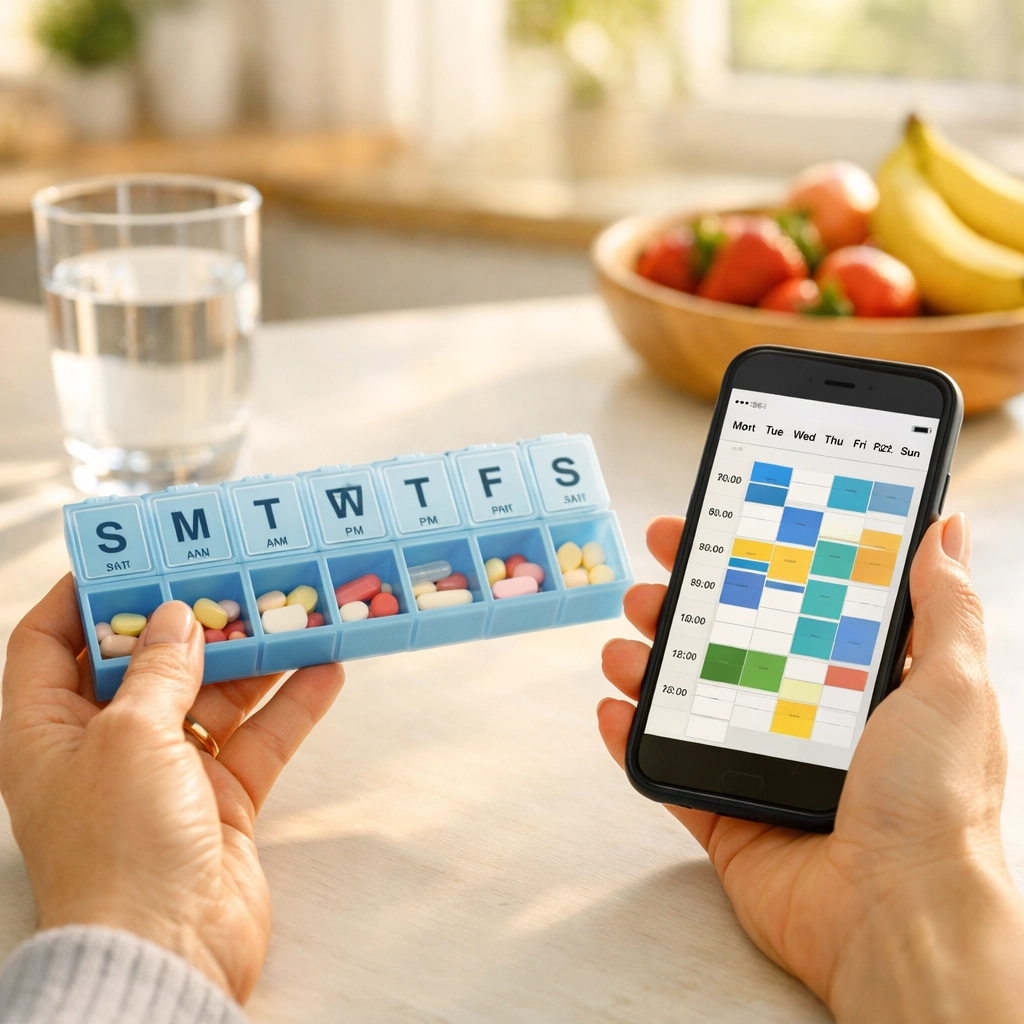
Important note: Compounded medications are not FDA-approved. They're prepared by licensed pharmacies when prescribed by healthcare providers during shortages or for specific patient needs.
Understanding total costs includes:
- Monthly medication fees
- Initial consultation charges
- Follow-up visit costs
- Shipping and supplies
- Lab work if required
DrMed Health offers transparent pricing for those exploring medically supervised weight loss options.
4. Dosing Frequency Impacts Daily Life
How often you take medication affects adherence and results.
Once-Weekly Options:
- Semaglutide injections
- Dulaglutide
- Easier to remember
- Less frequent injection sites
Daily Medications:
- Liraglutide
- Some oral formulations
- Requires consistent routine
- May provide steadier medication levels
Considerations for your schedule:
- Work travel frequency
- Weekend routines vs. weekdays
- Ability to maintain consistent timing
- Storage access during the day
When prescribed by a licensed medical provider, and when clinically appropriate, both dosing schedules can be effective. Success depends on choosing what fits your life.
5. Different Medication Classes Offer Alternative Mechanisms
GLP-1 medications aren't the only weight management options.
GLP-1 Receptor Agonists:
- Work by mimicking hormones that regulate appetite
- Include semaglutide, liraglutide, dulaglutide
- Generally well-studied for weight loss
GIP/GLP-1 Dual Agonists:
- Newer medication class
- Target multiple pathways
- May work differently than single-mechanism drugs
Non-GLP-1 Options:
- Phentermine-topiramate (Qsymia)
- Naltrexone-bupropion (Contrave)
- Orlistat (Xenical, Alli)
- Work through entirely different mechanisms
Metabolic Medications:
- Metformin
- Primarily used for diabetes
- Sometimes prescribed off-label for weight management

Each medication class has:
- Different side effect profiles
- Varying contraindications
- Specific eligibility requirements
- Unique considerations for certain health conditions
A qualified healthcare provider can determine which option aligns with your medical history and goals.
6. Medical Supervision Isn't Optional
Weight loss medications require proper medical oversight.
Why professional guidance matters:
- Proper eligibility screening
- Monitoring for side effects
- Dosage adjustments based on response
- Management of potential complications
- Integration with other health conditions
What medical supervision includes:
- Initial health assessment
- Review of medical history
- Discussion of realistic expectations
- Regular follow-up appointments
- Adjustment of treatment plans as needed
When prescribed by a licensed medical provider, and when clinically appropriate, weight loss medications form part of a comprehensive approach. This includes:
- Nutritional guidance
- Physical activity recommendations
- Behavioral support
- Long-term maintenance planning
Red flags to avoid:
- Providers who don't require consultations
- Services promising guaranteed results
- Sources that don't verify medical eligibility
- Medications without prescription requirements
Online weight loss doctors can provide legitimate care through telemedicine platforms when properly licensed and credentialed.
7. Eligibility Requirements Vary by Medication and Provider
Not everyone qualifies for every weight loss medication.
General eligibility criteria often include:
- BMI ≥30 (obesity)
- BMI ≥27 with weight-related health conditions
- Previous weight loss attempts
- No contraindicated medical conditions
- Realistic expectations about results
Specific disqualifications may include:
- Personal or family history of certain cancers
- Specific thyroid conditions
- Pregnancy or planned pregnancy
- Certain gastrointestinal disorders
- Active gallbladder disease
Provider-specific requirements:
- Age restrictions
- State licensing limitations
- Insurance requirements
- Lab work prerequisites

When prescribed by a licensed medical provider, and when clinically appropriate, eligibility gets determined on an individual basis. Your specific situation matters more than general guidelines.
Taking the next step:
If you're considering a Wegovy alternative, start with a proper medical evaluation. Complete a weight loss assessment to understand your options.
A qualified provider can:
- Review your complete health picture
- Discuss which alternatives might suit your needs
- Explain realistic expectations
- Create a personalized treatment approach
Making an Informed Decision
Choosing a Wegovy substitute requires careful consideration of multiple factors.
The right alternative depends on:
- Your individual health status
- Your lifestyle and preferences
- Your budget and insurance coverage
- Your weight loss goals
- Your comfort with different administration methods
No single option works best for everyone.
When prescribed by a licensed medical provider, and when clinically appropriate, various alternatives may support your weight management journey. The key is finding the right fit for your unique situation.
Working with qualified healthcare professionals ensures you receive:
- Proper medical screening
- Evidence-based recommendations
- Ongoing monitoring and support
- Adjustments as needed
- Safe, supervised care
Weight loss medications represent tools, not magic solutions. They work best as part of a comprehensive approach including nutrition, physical activity, and lifestyle modifications.
Important Information
Medical Disclaimer: This article provides educational information only. It does not constitute medical advice or establish a doctor-patient relationship. Individual results vary, and no specific outcomes can be guaranteed. Always consult with a licensed healthcare provider before starting any weight loss program or medication.
About Compounded Medications: Compounded medications are not FDA-approved. They are prepared by licensed compounding pharmacies and prescribed by healthcare providers when clinically appropriate. Safety and effectiveness may differ from FDA-approved medications.
Medically Reviewed: Content reviewed by licensed healthcare professionals at DrMed Health. All information current as of publication date.
Your Privacy Matters: DrMed Health maintains HIPAA-compliant practices to protect your health information. Learn more about our credentials and approach.