



Prescription weight loss medications have transformed how we approach medical weight management. But understanding your options can feel overwhelming.
This guide breaks down everything you need to know before starting treatment.
What Are Prescription Weight Loss Medications?
Prescription weight loss medications are FDA-approved treatments designed to support sustainable weight management.
They work through different mechanisms in your body:
- Reducing appetite and hunger signals
- Increasing feelings of fullness
- Preventing fat absorption from food
- Regulating cravings through hormonal pathways
When prescribed by a licensed medical provider, and when clinically appropriate, these medications can be powerful tools for weight loss.
But they're not magic pills. They work best alongside lifestyle modifications.

Types of Prescription Weight Loss Medications
The FDA has approved six medications for long-term weight management. Each works differently in your body.
GLP-1 and GIP Receptor Agonists
These are the newest and most effective options available.
They include:
- Tirzepatide (Zepbound, Mounjaro)
- Semaglutide (Wegovy, Ozempic)
- Liraglutide (Saxenda)
These medications regulate appetite by mimicking natural hormones. They help you feel fuller longer and reduce food cravings.
Appetite Suppressants
Phentermine is the oldest and most commonly prescribed option. It works by suppressing appetite through the central nervous system.
Phentermine-topiramate (Qsymia) combines an appetite suppressant with an anticonvulsant medication. This dual approach may enhance weight loss results.
Combination Therapies
Naltrexone-bupropion (Contrave) affects hunger through neurological pathways. It may be particularly helpful for emotional eaters.
Fat Absorption Blockers
Orlistat (Xenical, Alli) prevents your body from absorbing some dietary fat. It's available both by prescription and over-the-counter.

Most Effective Prescription Weight Loss Medications
Not all medications produce the same results. Here's how they compare:
| Medication | Brand Name(s) | Administration | Potential Weight Loss* |
|---|---|---|---|
| Tirzepatide | Zepbound, Mounjaro | Weekly injection | Up to 22.5% |
| Semaglutide | Wegovy | Weekly injection | Up to 14.9% |
| Semaglutide (oral) | Wegovy Pill | Daily pill | Up to 16.6% |
| Liraglutide | Saxenda | Daily injection | Around 8% |
| Phentermine-topiramate | Qsymia | Daily pill | 7–11% |
| Naltrexone-bupropion | Contrave | Daily pill | 5–9% |
| Orlistat | Xenical | Three times daily | 5–10% |
*Results vary by individual. These percentages represent average body weight reduction observed in clinical trials.
When prescribed by a licensed medical provider, and when clinically appropriate, GLP-1 medications like tirzepatide and semaglutide show the most significant results.
But "most effective" depends on your individual health profile. Your medical provider considers multiple factors when recommending treatment.
Who May Qualify for Prescription Weight Loss Medication?
Eligibility varies based on several factors. Healthcare providers typically evaluate:
BMI Requirements
- BMI of 30 or greater (clinical obesity)
- BMI of 27 or greater with weight-related health conditions
Weight-related conditions include:
- Type 2 diabetes
- High blood pressure
- High cholesterol
- Sleep apnea
Overall Health Assessment
Your provider will review:
- Complete medical history
- Current medications
- Heart health and blood pressure
- Existing medical conditions
- Previous weight loss attempts
Age Considerations
Some medications have different age requirements:
- Liraglutide, semaglutide, and phentermine-topiramate may be approved for ages 12 and older
- Other medications are typically for adults only
When prescribed by a licensed medical provider, and when clinically appropriate, they'll determine which medication aligns with your health profile.
Learn more about how the process works.

What to Expect: Administration and Frequency
How you take medication matters for consistency and results.
Injectable Medications
- Weekly injections: Tirzepatide, Semaglutide
- Daily injections: Liraglutide
Most people find weekly injections easier to maintain long-term.
Oral Medications
- Once daily: Semaglutide pill, Phentermine, Phentermine-topiramate
- Twice daily: Naltrexone-bupropion
- Three times daily with meals: Orlistat
Your lifestyle and preferences matter. Discuss administration options with your provider.
Important Considerations Before Starting
This Is Long-Term Treatment
Weight loss medications typically work best as ongoing treatment. When you stop taking them, weight regain is common.
This reflects natural metabolic adaptation. It's not a personal failure.
Plan for long-term use when considering these medications.
Medical Supervision Is Essential
Regular monitoring ensures:
- Medication effectiveness
- Side effect management
- Dosage adjustments when needed
- Overall health tracking
When prescribed by a licensed medical provider, and when clinically appropriate, they'll create a monitoring schedule tailored to your needs.
Never purchase weight loss medications without a valid prescription from a licensed provider.
Lifestyle Modifications Matter
All prescription weight loss medications work best alongside:
- Balanced, nutritious eating
- Regular physical activity
- Adequate sleep
- Stress management
Think of medication as one tool in your complete approach.
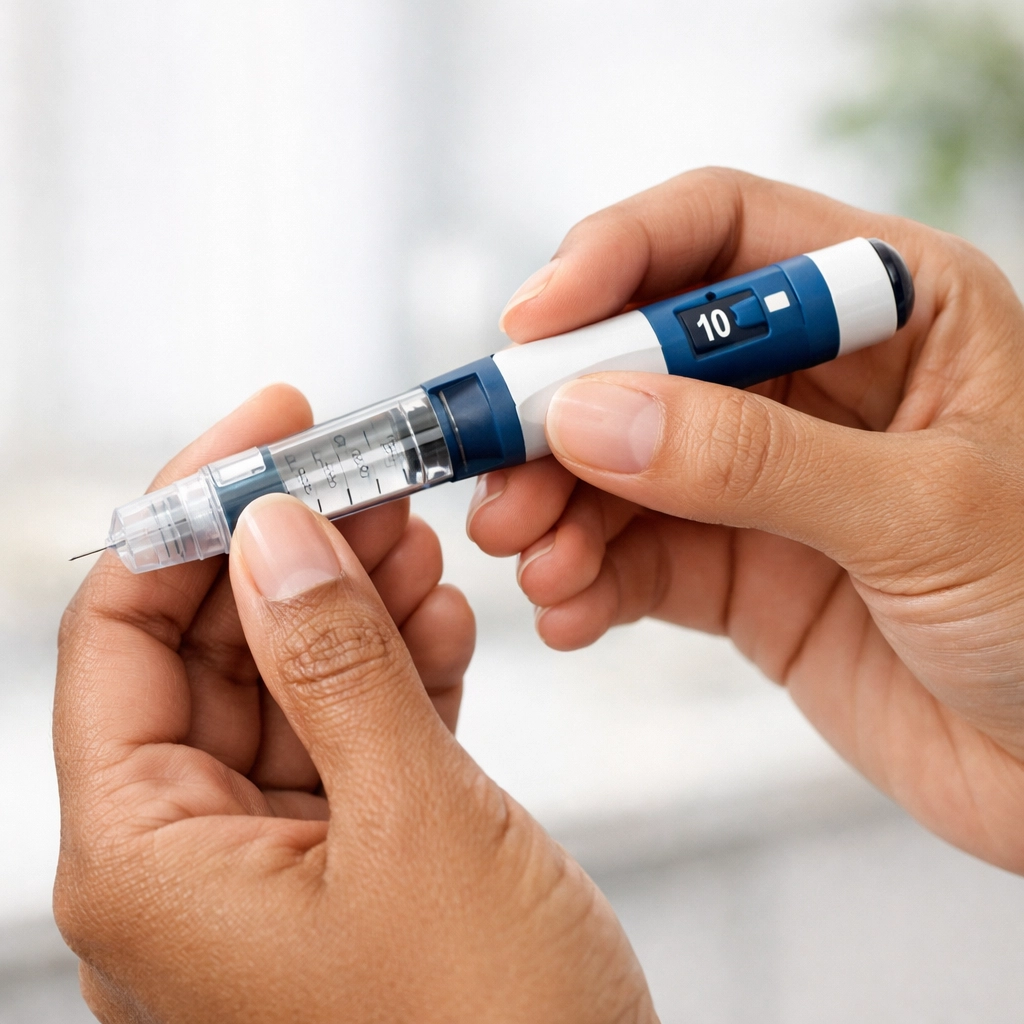
Potential Side Effects to Know
Every medication has possible side effects. Common ones include:
GLP-1 medications may cause:
- Nausea (usually temporary)
- Constipation or diarrhea
- Stomach discomfort
- Decreased appetite
Phentermine may cause:
- Increased heart rate
- Dry mouth
- Difficulty sleeping
- Nervousness
Orlistat may cause:
- Oily stools
- Gas with discharge
- Urgent bowel movements
Most side effects decrease over time. Your provider can help manage them.
Serious side effects are rare but possible. Report any concerning symptoms immediately.
Contraindications and Safety
Certain medications aren't appropriate for everyone.
Phentermine is contraindicated with:
- Uncontrolled high blood pressure
- History of cardiovascular disease
- Hyperthyroidism
- Glaucoma
GLP-1 medications require caution with:
- Personal or family history of medullary thyroid cancer
- Multiple endocrine neoplasia syndrome type 2
- History of pancreatitis
Your provider reviews your complete medical history before prescribing.
All FDA-approved medications meet high safety standards. But the safest choice depends on your individual health.
Compounded Medications: What You Should Know
Some providers offer compounded GLP-1 medications as alternatives to brand-name options.
Compounded medications are custom-made by specialized pharmacies. They may offer more affordable access.
Important considerations:
- Compounded medications are not FDA-approved
- They may differ from brand-name formulations
- Quality standards vary by pharmacy
- Insurance typically doesn't cover them
When prescribed by a licensed medical provider, and when clinically appropriate, compounded options may be suitable alternatives.
Discuss both FDA-approved and compounded options with your provider.

Getting Started with Prescription Weight Loss Medication
Ready to explore your options?
Step 1: Complete a Medical Assessment
Start with a comprehensive health evaluation. This includes:
- Height and weight measurements
- BMI calculation
- Medical history review
- Current medication review
- Health goals discussion
Take our free online assessment to see if you may qualify.
Step 2: Consult with a Licensed Provider
A board-certified healthcare provider will:
- Review your assessment
- Discuss medication options
- Explain benefits and risks
- Create your personalized treatment plan
- Answer all your questions
Virtual consultations make this process convenient and accessible.
Step 3: Start Treatment with Support
Once prescribed, you'll receive:
- Your medication delivered to your door
- Ongoing medical supervision
- Dosage adjustments as needed
- Support for side effect management
Consistent follow-up ensures the best possible results.
Your Next Steps
Prescription weight loss medications offer powerful support for sustainable weight management. But they require medical supervision, individual assessment, and long-term commitment.
The right medication depends on your unique health profile, goals, and medical history.
When prescribed by a licensed medical provider, and when clinically appropriate, these medications can transform your weight loss journey.
Ready to explore your options? Start your free assessment today to see if prescription weight loss medication may be right for you.
Medical Disclaimer
This article is for educational purposes only. It does not constitute medical advice and should not replace consultation with a qualified healthcare provider.
Weight loss results vary significantly by individual. The percentages and outcomes mentioned represent averages from clinical trials and do not guarantee specific results for any individual patient.
All prescription medications require evaluation by a licensed medical provider. Eligibility criteria, contraindications, and safety profiles vary by medication and individual health status. Only a qualified healthcare provider can determine appropriate treatment options.
When prescribed by a licensed medical provider, and when clinically appropriate, prescription weight loss medications are used as part of a comprehensive weight management program including diet, exercise, and behavioral modifications.
This content has not been reviewed by the FDA and makes no claims about the diagnosis, treatment, or prevention of any disease. Compounded medications mentioned are not FDA-approved and may differ from FDA-approved brand-name medications.
For personalized medical advice, always consult with a licensed healthcare provider familiar with your complete medical history.
Medically Reviewed: This article has been reviewed for medical accuracy by licensed healthcare professionals at DrMed Health.
Privacy & Security: All patient information is protected under HIPAA regulations. We never share your personal health information without explicit consent. Learn more about our privacy practices.
About DrMed Health: We connect patients with board-certified healthcare providers specializing in medical weight management through secure telemedicine consultations. Our mission is making evidence-based weight loss treatment accessible, affordable, and convenient.