



If you're exploring alternatives to Wegovy, you're not alone. Supply issues, cost concerns, or personal preferences often lead people to consider other weight management medications. Before your consultation, understanding your options can help you have a more productive conversation with your healthcare provider.
Here are 10 essential things to know before discussing Wegovy alternatives with a medical professional.
1. Multiple Medication Classes Are Available
Wegovy isn't the only weight management option out there.
Injectable GLP-1 medications include:
• Compounded semaglutide
• Tirzepatide (available as brand or compounded formulations)
• Saxenda (liraglutide)
Oral medications include:
• Daily semaglutide tablets
• Contrave (naltrexone-bupropion)
• Qsymia (phentermine-topiramate)
When prescribed by a licensed medical provider, and when clinically appropriate, each medication class works through different mechanisms. Some mimic hormones that regulate appetite. Others affect neurotransmitters in your brain.
Your provider will assess which category may be most suitable based on your health history and treatment goals.

2. Compounded Semaglutide Offers the Same Active Ingredient
If cost or availability is your primary concern, compounded semaglutide contains the same active ingredient as Wegovy.
Key differences:
• Prepared by specialty compounding pharmacies
• Not FDA-approved (unlike brand-name Wegovy)
• Often more affordable
• May have different inactive ingredients
Important note: Compounded medications are not FDA-approved and are not evaluated for safety or efficacy by the FDA. When prescribed by a licensed medical provider, and when clinically appropriate, compounded semaglutide may be an option for eligible patients.
Learn more about compounded GLP-1 medications.
3. Tirzepatide Works Through a Dual-Action Mechanism
Tirzepatide represents a newer approach to weight management.
It mimics two hormones instead of one:
• GLP-1 (like semaglutide)
• GIP (glucose-dependent insulinotropic polypeptide)
This dual action may affect appetite and metabolism differently than semaglutide alone. When prescribed by a licensed medical provider, and when clinically appropriate, tirzepatide may be considered for eligible patients who meet specific medical criteria.
Clinical studies suggest tirzepatide may produce different results than semaglutide, though individual responses vary considerably. Your provider can discuss whether tirzepatide might be appropriate for your situation.
Explore tirzepatide weight loss options.
4. Effectiveness Varies Significantly Between Medications
Not all weight management medications produce the same outcomes.
General patterns observed in clinical trials:
• GLP-1 receptor agonists tend to show greater weight reduction
• Oral medications like Contrave and Qsymia typically show more modest results
• Saxenda generally shows less weight loss than longer-acting GLP-1 medications
• Individual responses vary widely
Eligibility varies, and results are not guaranteed. When prescribed by a licensed medical provider, and when clinically appropriate, your provider will help set realistic expectations based on the specific medication and your individual health profile.

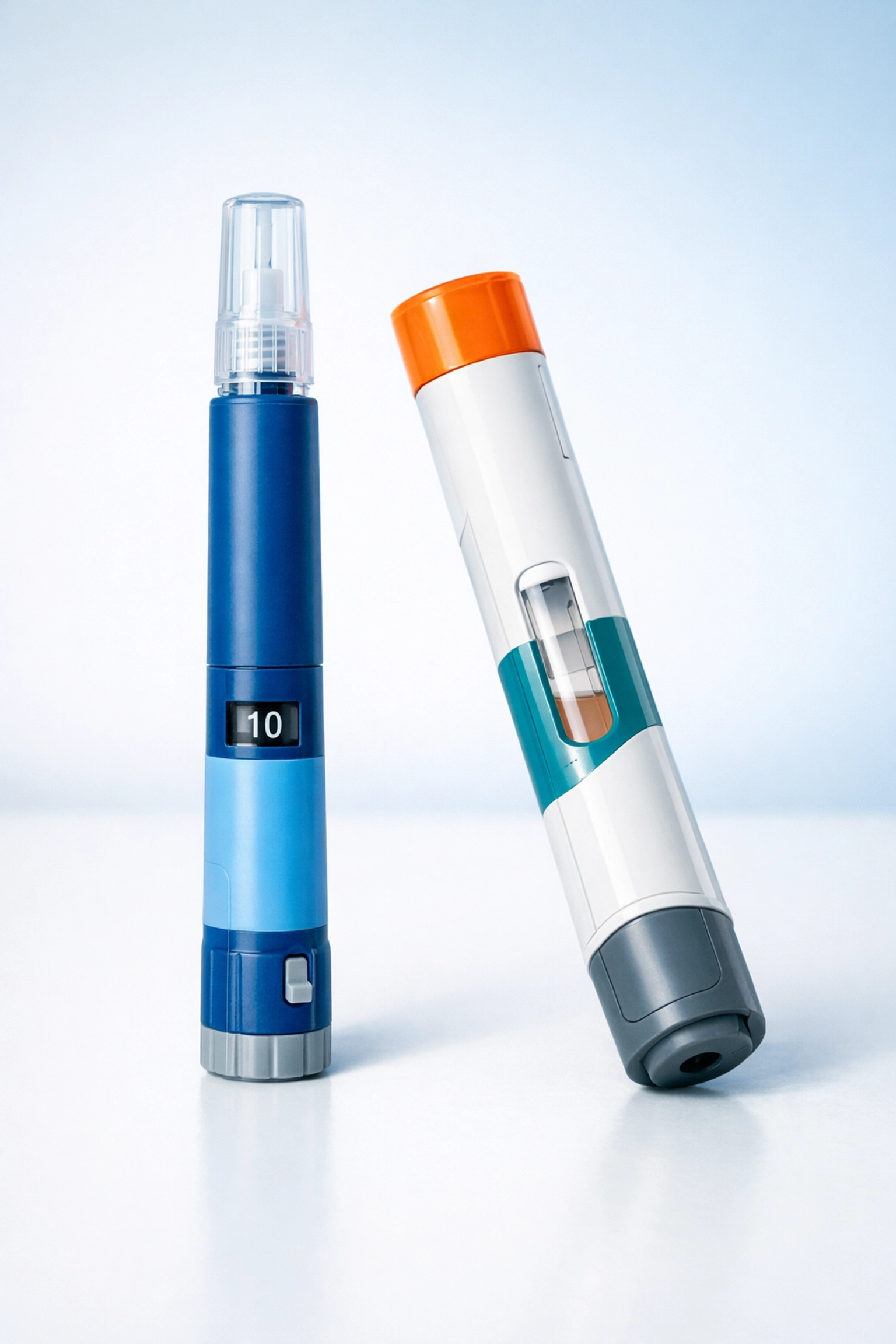
5. Injection Frequency Differs Among Options
Your lifestyle and preferences matter when choosing a medication.
Administration schedules:
• Weekly injections: Semaglutide, tirzepatide
• Daily injections: Saxenda
• Daily oral tablets: Compounded oral semaglutide, Contrave, Qsymia
Some people prefer the convenience of weekly dosing. Others find daily routines easier to remember. There's no "best" schedule: only what works for your life.
Discuss your daily routine and travel habits with your provider. They can help identify which administration schedule fits your circumstances.
6. Different Medications Have Different Clinical Uses
While all these medications may be used for weight management, some have additional approved uses.
Beyond weight loss:
• Semaglutide has cardiovascular indications
• Tirzepatide has indications related to sleep apnea
• Some medications address metabolic conditions
Your existing health conditions may make certain medications more or less appropriate. When prescribed by a licensed medical provider, and when clinically appropriate, the medication chosen should align with your complete health picture: not just weight management goals.
Bring a complete list of your current health conditions to your consultation.
7. Side Effect Profiles May Differ
All weight management medications can cause side effects.
Common GLP-1 side effects:
• Nausea
• Diarrhea
• Constipation
• Abdominal discomfort
• Reduced appetite
The intensity and duration of side effects varies between medications and between individuals. Some people tolerate one medication better than another.
Your provider should discuss potential side effects for any medication they recommend. When prescribed by a licensed medical provider, and when clinically appropriate, starting doses are typically lower to help minimize side effects.
8. Pricing Varies Considerably
Cost is often a major factor when considering alternatives.
Price ranges to discuss:
• Brand-name medications: Typically $900-$1,300+ per month without insurance
• Compounded formulations: Often $300-$500 per month
• Oral medications: Variable pricing depending on insurance coverage
Pricing can vary based on dosage, pharmacy, and insurance coverage. Some programs offer additional cost support or transparent pricing structures.
Check pricing options at DrMed Health.
9. Insurance Coverage Is Unpredictable
Don't assume your insurance will (or won't) cover alternatives.
Coverage variables:
• Some plans cover certain GLP-1 medications but not others
• Medical necessity requirements vary by insurer
• Prior authorization processes differ
• Compounded medications typically aren't covered by insurance
Contact your insurance provider before your consultation. Ask specifically about coverage for weight management medications. Understanding your coverage helps you and your provider make informed decisions.
If insurance doesn't cover your preferred option, ask about cash-pay programs or patient assistance programs.
10. Your Health History Determines the Best Choice
The "best" Wegovy alternative isn't the same for everyone.
Factors your provider will consider:
• Your BMI and weight loss goals
• Existing medical conditions
• Current medications
• History with weight management attempts
• Personal preferences (injection vs. oral, frequency)
• Budget and insurance coverage
• Side effect tolerance
When prescribed by a licensed medical provider, and when clinically appropriate, the right medication is the one that fits your complete medical profile and life circumstances.
Eligibility varies based on multiple factors. Not all patients will be candidates for all medications.

Ready to Explore Your Options?
Finding the right weight management medication requires a personalized approach.
At DrMed Health, licensed medical providers evaluate your complete health history to determine eligibility for various weight management options. Our telehealth consultations make it convenient to discuss alternatives without leaving home.
What to expect:
• Comprehensive health assessment
• Discussion of medication options
• Personalized recommendations
• Ongoing medical supervision
• Transparent pricing
When prescribed by a licensed medical provider, and when clinically appropriate, weight management medications are part of a comprehensive approach that includes nutrition and lifestyle modifications.
Take our free assessment to see if you may be eligible.
Important Information
Medical Disclaimer: This article is for educational purposes only and does not constitute medical advice. The information provided should not be used to diagnose or treat any health condition. Weight management medications must be prescribed by a licensed healthcare provider after a thorough medical evaluation. Eligibility varies based on individual health factors, and results are not guaranteed.
Compounded Medications Notice: Compounded medications are not FDA-approved and have not been evaluated by the FDA for safety or efficacy. They are prepared by licensed compounding pharmacies under medical supervision. When prescribed by a licensed medical provider, and when clinically appropriate, compounded medications may be an option for eligible patients.
HIPAA Compliance: DrMed Health maintains strict privacy standards in accordance with HIPAA regulations. Your health information is protected and confidential.
No Guarantees: Individual results with weight management medications vary significantly. No specific outcomes are guaranteed. Success depends on multiple factors including adherence to treatment, lifestyle modifications, and individual health characteristics.
Medically Reviewed: This article has been reviewed by licensed healthcare professionals at DrMed Health to ensure accuracy and appropriateness of medical information. Last updated: February 2026.
About DrMed Health: We're a telemedicine platform connecting patients with licensed medical providers for weight management consultations. Our board-certified providers offer evidence-based care with transparent pricing and ongoing support. Learn more about our team and credentials.