



Wegovy has become a well-known option for medical weight loss. But it's not the only choice available.
Many people explore alternatives due to cost, availability, or personal preference. Some want daily oral medications instead of weekly injections. Others need options that address specific health conditions beyond weight management.
When prescribed by a licensed medical provider, and when clinically appropriate, several FDA-approved medications can support weight loss goals. Each works differently. Each has unique benefits and considerations.
This guide covers the most common Wegovy substitutes: both injectable and oral: so you can have informed conversations with your healthcare team.
Understanding Your Alternatives
Wegovy contains semaglutide, a GLP-1 receptor agonist. It mimics a hormone that regulates appetite and blood sugar. Weekly injections make it convenient for many patients.
But alternatives exist in two main categories:
Injectable Options:
- Weekly or daily administration
- Similar or different mechanisms of action
- Varying levels of clinical evidence
- Different cardiovascular or metabolic benefits
Oral Options:
- Daily pills or tablets
- No needles required
- Different active ingredients
- May work through alternative pathways
Your medical history matters significantly. Certain conditions may make one option more appropriate than another.
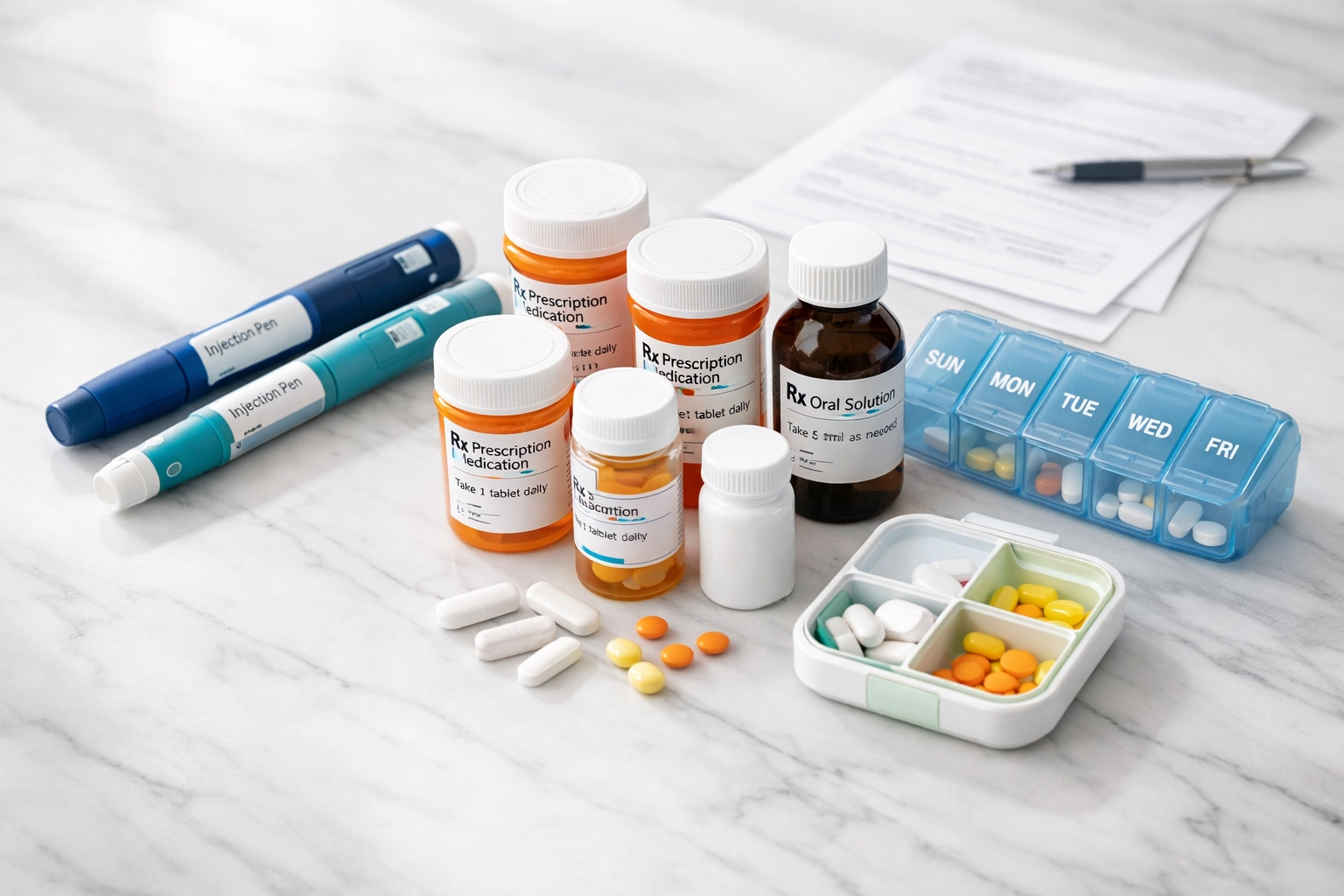
Injectable Wegovy Alternatives
Zepbound (Tirzepatide)
Zepbound represents the newest FDA-approved option for chronic weight management.
How It's Different:
- Once-weekly injection (like Wegovy)
- Dual mechanism: mimics both GLP-1 and GIP hormones
- Clinical trials showed significant weight reduction in eligible patients
- Approved for moderate-to-severe obstructive sleep apnea
When prescribed by a licensed medical provider, and when clinically appropriate, Zepbound may be suitable if you have sleep apnea alongside weight management needs.
Key Considerations:
- Not interchangeable with Wegovy without medical consultation
- Different side effect profile
- Eligibility criteria vary by individual health status
- Insurance coverage differs from Wegovy
Learn more about tirzepatide options through licensed medical providers.
Saxenda (Liraglutide)
Saxenda works similarly to Wegovy but requires daily injections instead of weekly.
Important Differences:
- Daily administration may fit some lifestyles better
- Approved for adults and adolescents 12 and older
- Longer track record of clinical use
- Different dosing schedule
When prescribed by a licensed medical provider, and when clinically appropriate, Saxenda offers an alternative for patients who prefer or require daily dosing.
Practical Factors:
- More frequent injections mean more supplies
- May require different injection technique
- Cost structure differs from weekly options
- Not FDA-approved for cardiovascular risk reduction
Compounded GLP-1 Options
Some medical providers prescribe compounded GLP-1 medications when FDA-approved options aren't accessible or appropriate.
What to Know:
- Not FDA-approved products
- Made by specialized pharmacies
- May contain semaglutide or tirzepatide
- Quality and consistency can vary
When prescribed by a licensed medical provider, and when clinically appropriate, compounded versions may serve as alternatives during shortages or for cost considerations.
Critical Points:
- Require medical supervision
- Not identical to brand-name versions
- Eligibility depends on individual assessment
- Side effects should be monitored closely

Oral Alternatives to Wegovy
Semaglutide Oral Tablet
The same active ingredient as Wegovy is now available in daily pill form.
Benefits:
- No injections required
- Same mechanism as Wegovy
- Once-daily dosing
- Clinical data shows comparable outcomes in eligible patients
When prescribed by a licensed medical provider, and when clinically appropriate, oral semaglutide provides a needle-free alternative for patients uncomfortable with injections.
Considerations:
- Must be taken on empty stomach
- Specific timing requirements
- Different absorption than injections
- May not be suitable for all patients
Contrave (Naltrexone/Bupropion)
This combination medication works through different pathways than GLP-1 options.
How It Works:
- Affects brain pathways related to hunger and cravings
- Two medications combined in one tablet
- Taken twice daily with food
- May help with emotional eating patterns
When prescribed by a licensed medical provider, and when clinically appropriate, Contrave may suit patients who don't respond well to GLP-1 medications or prefer oral options.
Important Factors:
- Not appropriate for everyone
- Requires gradual dose escalation
- Different side effect profile than GLP-1s
- Medical history screening essential
Qsymia (Phentermine/Topiramate ER)
Another oral combination that reduces appetite through different mechanisms.
Key Features:
- Once-daily extended-release capsule
- Combines two active ingredients
- Works on appetite centers in the brain
- Lower body weight reduction compared to GLP-1 options in some studies
When prescribed by a licensed medical provider, and when clinically appropriate, Qsymia offers an alternative for patients seeking oral medication options.
Critical Considerations:
- Pregnancy prevention program required
- Not suitable for patients with certain health conditions
- Requires careful monitoring
- Cost and insurance coverage vary significantly

How to Choose the Right Alternative
No single "best" substitute exists. The right choice depends on multiple factors.
Medical Considerations:
- Your complete health history
- Current medications and potential interactions
- Specific health conditions beyond weight
- Cardiovascular or metabolic health needs
- Past experiences with weight loss medications
Lifestyle Factors:
- Comfort with injections vs. oral medications
- Weekly vs. daily administration preference
- Travel or work schedule
- Storage and handling requirements
Practical Elements:
- Cost and insurance coverage
- Pharmacy availability
- Shipping or local pickup options
- Required monitoring and follow-up visits
Your healthcare provider evaluates all these elements. They determine which medications may be clinically appropriate for your situation.
Understanding Medical Weight Loss Programs
Medications work best alongside comprehensive support. Quality medical weight loss programs combine prescription options with:
- Licensed medical provider oversight
- Ongoing monitoring and adjustments
- Lifestyle guidance and support
- Regular check-ins to assess progress
- Side effect management
- Long-term maintenance planning
When prescribed by a licensed medical provider, and when clinically appropriate, medication becomes one tool in a broader approach to weight management.

What to Expect When Exploring Alternatives
Initial Consultation
Your provider will review:
- Complete medical history
- Current health status and lab work
- Previous weight loss attempts
- Other medications you're taking
- Your goals and preferences
Eligibility Assessment
Each medication has specific criteria. Generally, medical weight loss medications may be prescribed when:
- BMI meets certain thresholds
- Weight-related health conditions exist
- Previous attempts haven't achieved goals
- No contraindications are present
Eligibility varies by individual. What works for one person may not be appropriate for another.
Monitoring and Adjustments
Regular follow-up ensures safety and effectiveness:
- Side effect monitoring
- Dose adjustments as needed
- Lab work when indicated
- Progress tracking
- Strategy modifications
Comparing Wegovy Alternatives vs. Traditional Programs
Traditional diet and exercise programs work differently than medical weight loss options.
Medical Approaches:
- Address biological factors affecting weight
- Require medical eligibility and oversight
- May produce different results than lifestyle changes alone
- Include prescription medications
- Provide ongoing clinical support
Traditional Programs:
- Focus on behavior modification
- Emphasize diet and exercise
- Don't require prescriptions
- May be appropriate for different populations
- Often more affordable upfront
Neither is universally "better." The right approach depends on your individual situation.

Taking the Next Step
If you're considering a Wegovy alternative, start with proper medical evaluation.
DrMedHealth's free assessment helps determine if prescription weight loss options may be appropriate for you. Licensed medical providers review your information and discuss potential options.
The Process:
- Complete confidential health assessment
- Provider reviews your information
- Discuss eligible options if appropriate
- Receive personalized recommendations
- Ask questions about different medications
When prescribed by a licensed medical provider, and when clinically appropriate, various alternatives to Wegovy exist: each with unique benefits and considerations.
Questions to Ask Your Provider
Before choosing an alternative, consider asking:
- Which options am I eligible for based on my health history?
- What are the key differences in how these medications work?
- What side effects should I watch for?
- How long does treatment typically continue?
- What monitoring will I need?
- How do costs compare between options?
- What happens if this option doesn't work well for me?
- Are there non-medication approaches we should try first or alongside?
Open communication helps you make informed decisions with professional guidance.
Important Medical Information
This article is for educational purposes only. It does not constitute medical advice or create a doctor-patient relationship. Individual results vary significantly based on health status, adherence, and other factors.
All weight loss medications discussed require prescription from licensed medical providers. Eligibility depends on individual medical assessment. Not all patients will qualify for all options. Side effects and contraindications exist for every medication.
When prescribed by a licensed medical provider, and when clinically appropriate, these medications may support weight management goals alongside lifestyle modifications. No medication guarantees specific outcomes.
About DrMed Health: Our board-certified medical providers specialize in telemedicine weight management services. All prescriptions require medical evaluation and ongoing clinical oversight. We follow applicable state and federal regulations, maintaining HIPAA-compliant practices.
For questions about your eligibility for weight loss medications, complete our confidential assessment or contact our medical team.